

Flowstate Tech
About
Flowstate Technologies is building intelligent sensor systems for individuals facing persistent unwanted attention, stalking, or targeted harassment.
We believe no one should have to live in a constant state of awareness— forced to notice every detail, remember every encounter, and prove what’s happening to them. That burden alone can take away peace of mind and significantly impact quality of life.
Our platform is being designed to act as an autonomous, non-human observer by detecting, correlating, and documenting patterns of behavior over time. By transforming repeated, ambiguous incidents into structured, time-stamped evidence, This removes the need for manual tracking, second-guessing, and constant vigilance.
The result is not just better documentation—it’s clarity, confidence, and the ability to move through the world without carrying the full weight of proof alone.
The Product
Flowstate Pattern Engine
Flowstate is designing a computer vision engine that can continuously analyze visual and sensor data to identify repeated proximity, movement, and interaction patterns across time—not just isolated events.
The engine is being designed to integrate directly into existing pipelines, without relying on manual review or post-processing.
API / SDK integration
Edge or cloud deployment
Compatible with existing vision and sensor systems
Applications: Autonomous Vehicles, Robotics, Security Systems, Smart Infrastructure

Real-time detection + Awareness

Unassisted awareness
Relies on instinct and limited perception, During busy lives Users cannot distinguish coincidence from intentional tracking.
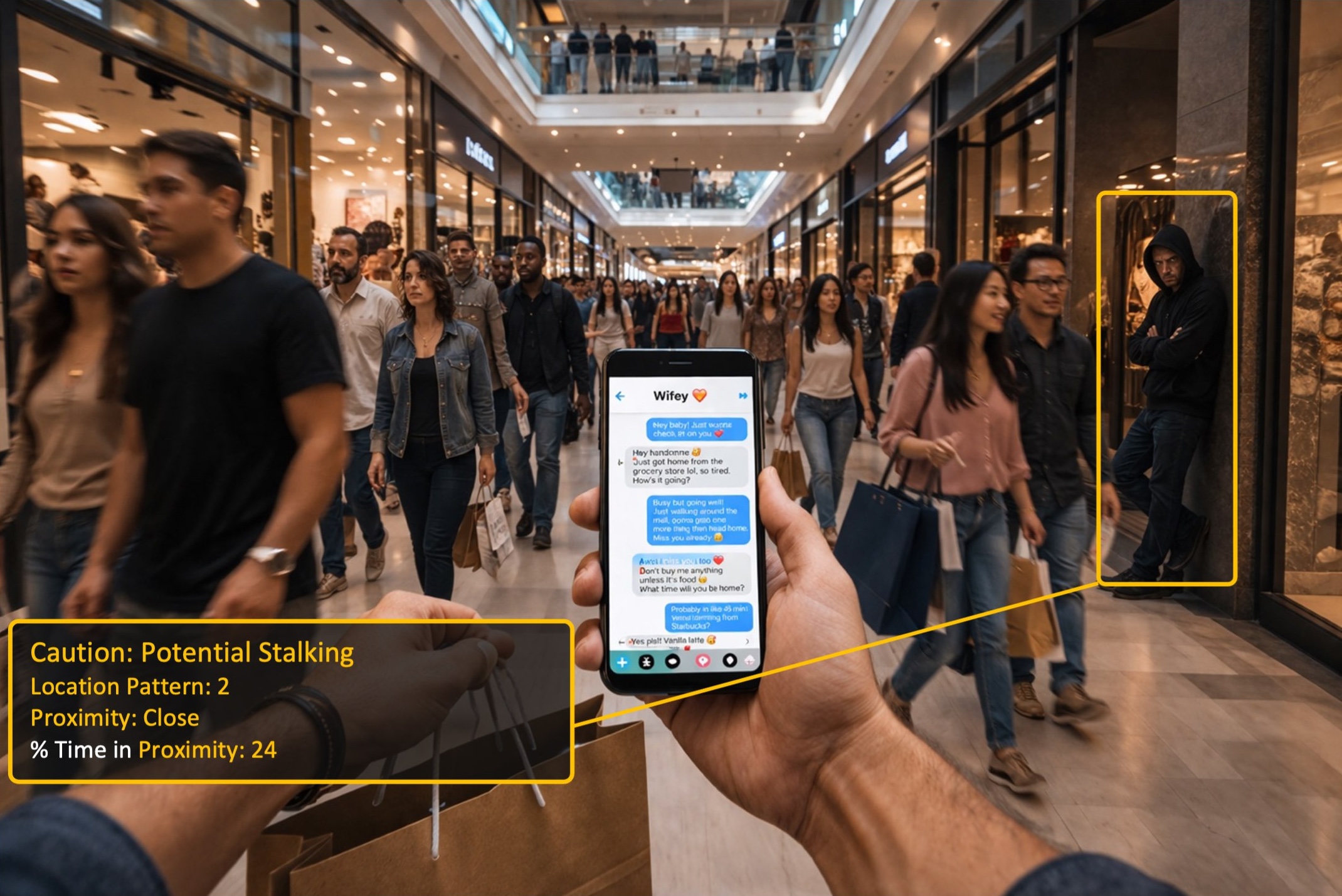
Assisted awareness
Detects and analyzes in real time. Identifies and and notifies users of persistent proximity patterns.

Unassisted awareness
Appears as a normal interaction. No awareness of repeated presence or prior encounters across locations.
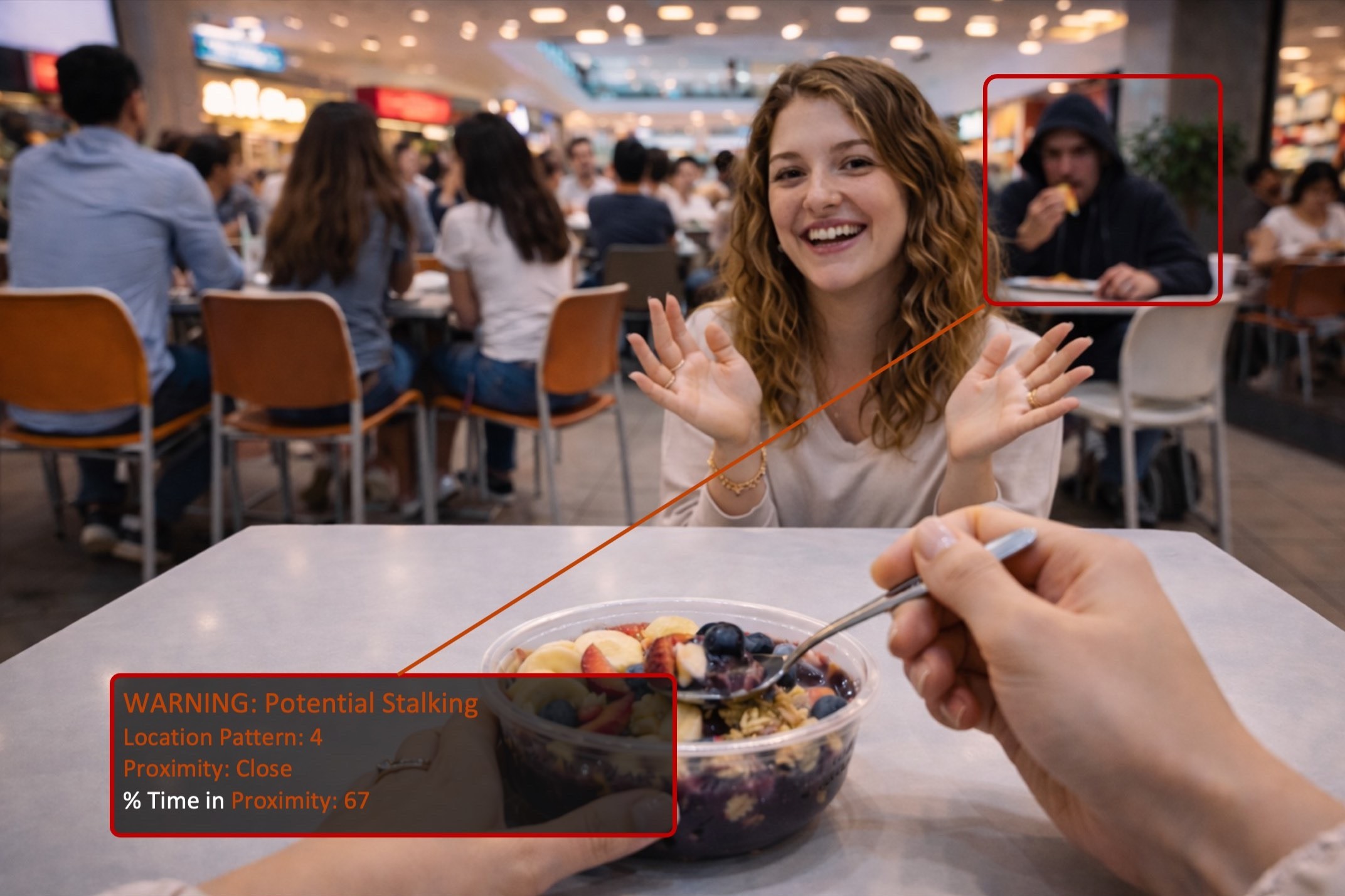
Assisted awareness
Detects repeated presence across environments and flags potential tracking behavior based on prior encounters.

Assisted awareness
Detects and models vehicle location, route correlation, and repeated frequency patterns over time.

Assisted awareness
Detects and tracks vehicles in real time using distinguishing visual features when license plates are unavailable. Identifies trailing behavior through persistent proximity and route correlation.
Embedded + edge A.I
Applications

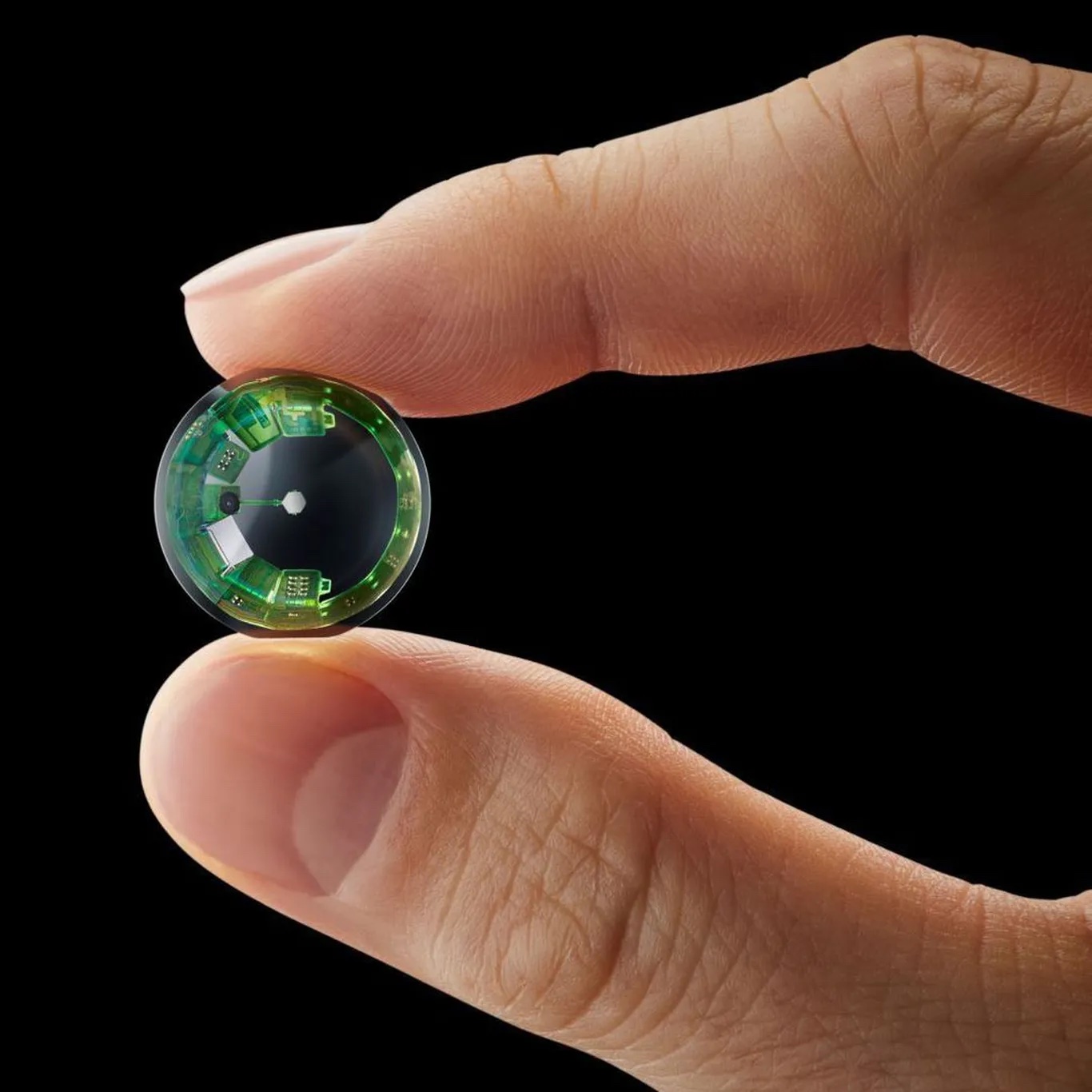

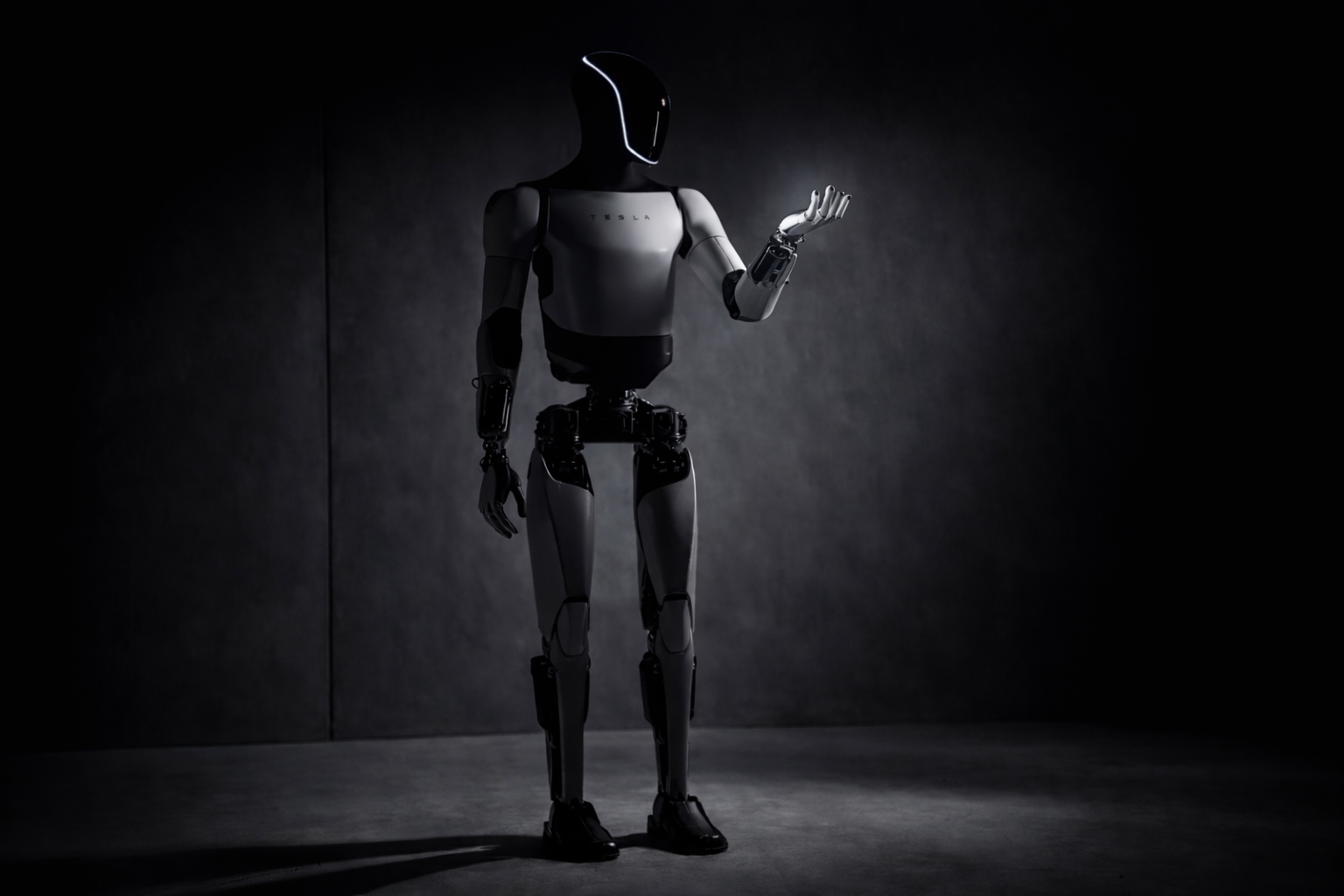
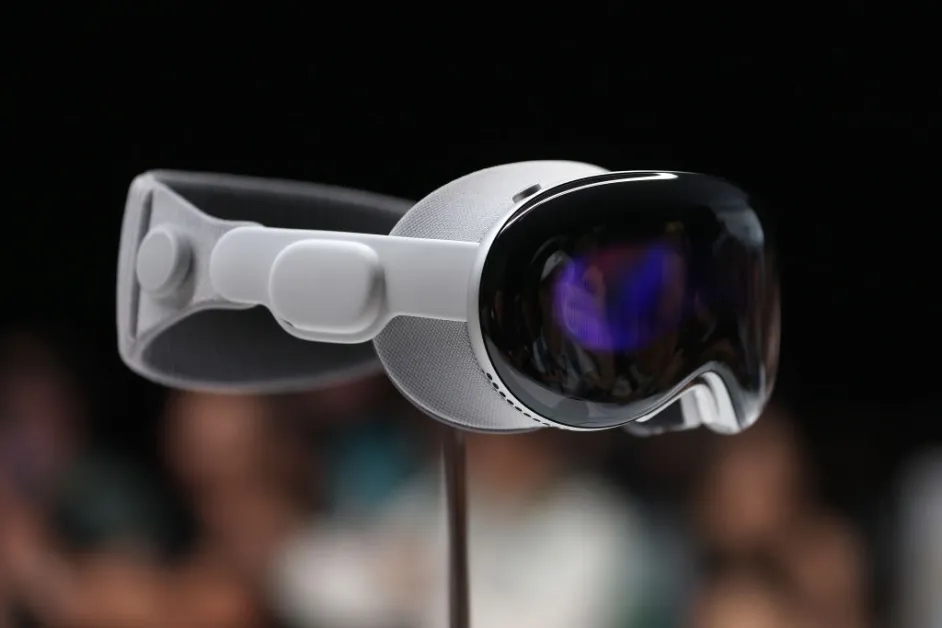
Product
in development...
Update: The foundational computer vision pipeline for real-time object detection and identification has been built.We are now building on this foundation to model behavior and detect patterns such as prolonged proximity and potential trailing.
Book To View DemoMessage to investors
If this resonates, send your message below and let’s connect. We’re building toward scalable real-world safety systems and looking for investors who see oppurtunity early.
info@fsttech.tech

Videlle Sita
Flowstate Technonlogies was founded by The Ohio State University Alumnus, Videlle Sita. He is developing real-time safety systems by bridging computer vision and autonomous systems to detect behavioural patterns in real-world environments.